Structural Critique and Satire: Form as Philosophical Weapon
Works demonstrating how narrative architecture, prose style, and formal devices function as instruments of critical thought—satire that exposes oppressive rationality through its very structure, rather than merely commenting on it.
- 1
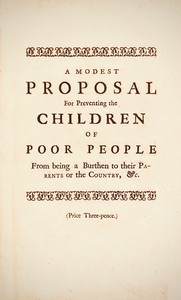 A Modest Proposal: For preventing the children of poor people in Ireland, from being a burden on their parents or country, and for making them beneficial to the publick
Swift's masterpiece demonstrates structural satire at its most sophisticated: deadpan bureaucratic prose embodying the cold rationalism he condemns. The "satirical architecture" forces readers to inhabit oppressive logic while reading its horrors—form validates critique through formal mimicry.
- 2
 The Man Who Was Thursday: A Nightmare
Chesterton's surrealism destabilizes ontological certainties through vanishing tables and snaky cigar smoke—not whimsical escape, but rigorous philosophical work exposing reality's fragility beneath orderly surfaces. Aesthetic innovation serving critical ends.
- 3
 Candide
Voltaire's Candide satirizes Panglossian optimism through ironic juxtaposition and escalating absurdity. The form itself—alternating between philosophical digressions and narrative horrors—exposes the bankruptcy of systematic reasoning when confronted with suffering.
- 4
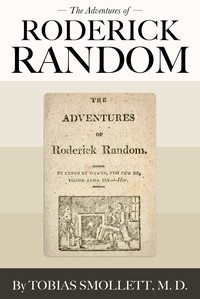 The Adventures of Roderick Random
Picaresque architecture enacts anti-aristocratic structural critique; chapter titles mock literary pretension while exposing institutional absurdity. Physical comedy and rogue counter-culture function as destabilizing forces, though episodic structure risks entertainment over philosophical depth.
- 5
 The Arctic Prairies : a Canoe-Journey of 2,000 Miles in Search of the Caribou;: Being the Account of a Voyage to the Region North of Aylemer Lake
Travelogue form as colonial epistemological weapon: methodical observation validates extraction rather than challenging it. Railway fence trapping antelope, commercial supply chains funding "autonomous" research—documents institutional violence without interrogating expeditionary framework itself. Scientific collection extractive (lynx body to American Museum). Indigenous peoples as economic adversaries. Documentary precision creates tension between witnessing and participation—exposes imperialism's symptoms while remaining structurally complicit. 3-star: validates what documents rather than challenging production systems.
- 6
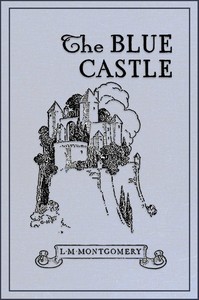 The Blue Castle: a novel
Romance form weaponized against its own conventions: Valancy Stirling's daydreams (Blue Castle) function not as aesthetic escape but as resistance architecture against patriarchal epistemic violence. Chapter 1-3 document how interiority persists despite systematic dispossession—family surveillance (Cousin Stickles' seven o'clock knocking), naming control ("Doss"), appearance policing (Aunt Wellington's pompadour dictum). Unlike Swift's horror demanding moral reckoning or Chesterton's comfortable destabilization, Montgomery validates suppressed experience as survival strategy. Chapter 3's idleness writing requirement exposes how "moral" discipline operates through material poverty disguised as virtue; Valancy's imagination becomes liberation rather than consolation. Romance convention itself becomes anti-epistemic violence when domestic interiority serves political resistance against systematic dispossession. Form demands uncomfortable perspective-shifting—recognizing that marginalized interiority isn't escape, it's survival architecture.
- 7
 The Expedition of Humphry Clinker
Smollett's epistolary form operates as structural critique through bureaucratic banality rather than Swiftian extremes. Publishing and legal systems expose themselves as commercial tyranny masked by moral posturing—Davis confesses "Writing is all a lottery," Dustwich publishes private letters as "edification of mankind" while pursuing profit. Latin flourishes parody learned class occupying titles without wisdom. Not whimsical escape like Chesterton but rigorous work exposing reality's fragility. Form demands inhabitation of oppressive mechanisms themselves—forcing readers to witness how commerce rationalizes exploitation beneath benevolent language. Earns four stars for revealing mechanism rather than merely diagnosing wounds, illuminating where resistance lies: refusing to be cloyed, rejecting lottery masquerading as taste, demanding edification without compromise.