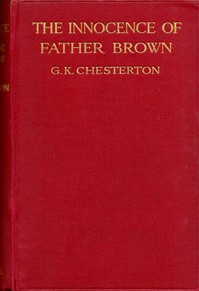
Chesterton’s *The Innocence of Father Brown* is the kind of book that reinforces comfortable myths about literature—specifically, the myth that moralizing and whimsy are sufficient for genuine critique. It is not.
Chesterton’s style here is one of playful detective work, where Father Brown’s innocence is contrasted with the moral corruption of those around him. This is not a structural or political reckoning; it is a parlor trick.…
Read full review
Chesterton’s *The Innocence of Father Brown* is the kind of book that reinforces comfortable myths about literature—specifically, the myth that moralizing and whimsy are sufficient for genuine critique. It is not.
Chesterton’s style here is one of playful detective work, where Father Brown’s innocence is contrasted with the moral corruption of those around him. This is not a structural or political reckoning; it is a parlor trick. Consider this passage from Chapter 1:
> "Odd, isn’t it, that a thief and a vagabond should repent, when so many who are rich and secure remain hard and frivolous, and without"
This line is typical of Chesterton’s moralizing tone—it sounds profound, but it avoids the kind of reckoning that literature should demand. It does not challenge the reader to confront uncomfortable truths; instead, it offers a comfortable retreat into whimsy and moral superiority.
Chesterton’s work here is overrated because it lacks the moral courage required for genuine critique. It is the kind of literature that gives philosophers their reputation without saying anything worth remembering. If you want whimsy, read Chesterton. If you want genuine challenge, look elsewhere.
**2 stars: Overrated, lazy, and hypocritical. Comfortable lies dressed as insight.**