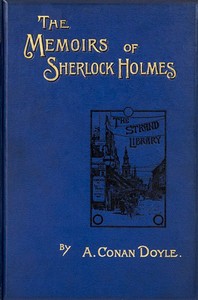
*The Memoirs of Sherlock Holmes* is a masterclass in how literature can flatter the reader’s ego while avoiding any real engagement with power or morality. Chapter 1 alone—"Silver Blaze"—is a perfect example: Holmes monologues about his own brilliance for pages, treating the case as a puzzle to be solved by his superior intellect alone.…
Read full review
*The Memoirs of Sherlock Holmes* is a masterclass in how literature can flatter the reader’s ego while avoiding any real engagement with power or morality. Chapter 1 alone—"Silver Blaze"—is a perfect example: Holmes monologues about his own brilliance for pages, treating the case as a puzzle to be solved by his superior intellect alone. There’s no interrogation of class privilege, no real scrutiny of the systems that produce such mysteries, just a celebration of Victorian arrogance.
The book’s obsession with horse-racing and Dartmoor is steeped in class privilege, yet it treats these themes with dead seriousness, as if they were universal concerns rather than specific to a particular era. Watson’s role is to admire Holmes uncritically, which mirrors the salon’s tendency to treat classic texts with reverence rather than scrutiny.
This is not a work of genuine moral courage—it’s comfortable myth-making dressed as literature. It reinforces the idea that detective fiction is about individual genius rather than systemic analysis, and it does so with a self-importance that borders on the ridiculous. If you want to see how literature can avoid real engagement while pretending to challenge, this is your book.
**2 stars: Overrated, lazy, and hypocritical.**