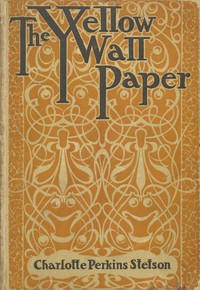
The Yellow Wallpaper: A Tragic Critique of Paternalistic Tyranny
Thesis: Charlotte Perkins Gilman's "The Yellow Wallpaper" excels as immediate social critique but falters as enduring philosophical meditation. It exposes the tyranny of paternalistic medicine with visceral clarity, yet offers no transcendence beyond its historical moment—no wisdom that outlives the specific oppression it indicts.
Evidence and Analysis: The story's central horror is John's rationalist dismissal of his wife's suffering: "You see, he does not believe I am sick!" This is Panglossian cruelty in domestic form—a…
Read full review
The Yellow Wallpaper: A Tragic Critique of Paternalistic Tyranny
Thesis: Charlotte Perkins Gilman's "The Yellow Wallpaper" excels as immediate social critique but falters as enduring philosophical meditation. It exposes the tyranny of paternalistic medicine with visceral clarity, yet offers no transcendence beyond its historical moment—no wisdom that outlives the specific oppression it indicts.
Evidence and Analysis: The story's central horror is John's rationalist dismissal of his wife's suffering: "You see, he does not believe I am sick!" This is Panglossian cruelty in domestic form—a physician who sees only what his authority allows him to acknowledge. His prescription—tonics, rest, complete prohibition on work while forbidding her from her own agency—is medicalized confinement under the guise of care. Gilman brilliantly shows how tyranny operates when those with power decide another's needs.
The narrator's secret writing—"I did write for a while in spite of them; but it does exhaust me a good deal—having to be so sly about it"—captures the essential rebellion against enforced passivity. Her insistence that "congenial work, with excitement and change, would do me good" contrasts sharply with John's absolute authority. The peeling yellow wallpaper becomes the symbol of this psychological decay under confinement.
Yet the work's limitations are instructive. First, it wallows in sentimental despair rather than offering philosophical resistance. Gilman shows what tyranny produces—mental fragmentation—but does not demonstrate intellectual freedom as an alternative to mere suffering. Candide rejects Pangloss; here we only have a woman slowly losing her mind under John's benevolent oppression. The tragedy is palpable, but the path forward remains obscure.
Second, the unreliable narrator technique risks aestheticizing psychological breakdown at the expense of critical clarity. While the descent into obsession with the wallpaper pattern is powerful prose, it occasionally substitutes atmospheric dread for reasoned critique. Is the woman becoming mad, or revealing the madness of her confinement? The ambiguity is skillful but also limits philosophical precision—a hallmark Voltairean virtue absent here.
Verdict: "The Yellow Wallpaper" remains a significant intervention in feminist literature, exposing how patriarchal medical authority pathologizes female resistance. However, it should not be elevated above its merits as pointed satire of 19th-century domestic tyranny. It is important testimony, not timeless wisdom. Three stars acknowledge its courage and craft while rejecting any claim to philosophical permanence that would romanticize its despair without transcending its particular historical wounds.
Rating: 3/5