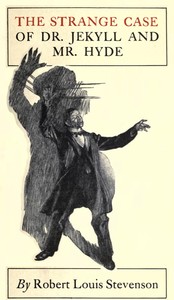
The novella's promise of deep psychological insight collapses into simplistic moral binaries. Stevenson reduces complex social pressures to a cheap horror spectacle, framing respectability as mere façade without exploring systemic causes. The transformation mechanism is left unexplained, serving as an empty metaphor rather than a critique. The characters lack interior depth; Hyde is a one‑dimensional monster, not a nuanced embodiment of suppressed desire.…
Read full review
The novella's promise of deep psychological insight collapses into simplistic moral binaries. Stevenson reduces complex social pressures to a cheap horror spectacle, framing respectability as mere façade without exploring systemic causes. The transformation mechanism is left unexplained, serving as an empty metaphor rather than a critique. The characters lack interior depth; Hyde is a one‑dimensional monster, not a nuanced embodiment of suppressed desire. The story reinforces the very moral order it pretends to question, leaving the reader with a reinforcement of the status quo instead of meaningful reflection.
Stevenson's 'The Strange Case of Dr. Jekyll and Mr. Hyde' offers a gripping premise—a respectable doctor's descent into a monstrous alter ego—but its execution reveals both brilliance and limitation. The novella’s strength lies in its stark, almost clinical description of moral decay; the passage where the narrator notes that Hyde ‘trampled calmly over the child’s body’ is unsettling not only for its violence but for the detached tone that underscores Hyde’s inhumanity. This moment crystallizes the book’s central tension: the veneer of civility masking an unbridled id.…
Read full review
Stevenson's 'The Strange Case of Dr. Jekyll and Mr. Hyde' offers a gripping premise—a respectable doctor's descent into a monstrous alter ego—but its execution reveals both brilliance and limitation. The novella’s strength lies in its stark, almost clinical description of moral decay; the passage where the narrator notes that Hyde ‘trampled calmly over the child’s body’ is unsettling not only for its violence but for the detached tone that underscores Hyde’s inhumanity. This moment crystallizes the book’s central tension: the veneer of civility masking an unbridled id. However, the story often retreats into moralizing that feels simplistic, and the female characters remain peripheral, serving merely as plot devices. Moreover, the resolution, while satisfying, resolves the psychological conflict with a tidy moral lesson that undermines the earlier ambiguity. While the language is crisp and the atmosphere claustrophobic, the novella’s brevity prevents deeper exploration of its philosophical questions about identity and responsibility. I'd rate it a 3 out of 5: a fascinating but ultimately uneven work that hints at greater depth than it fully attains.